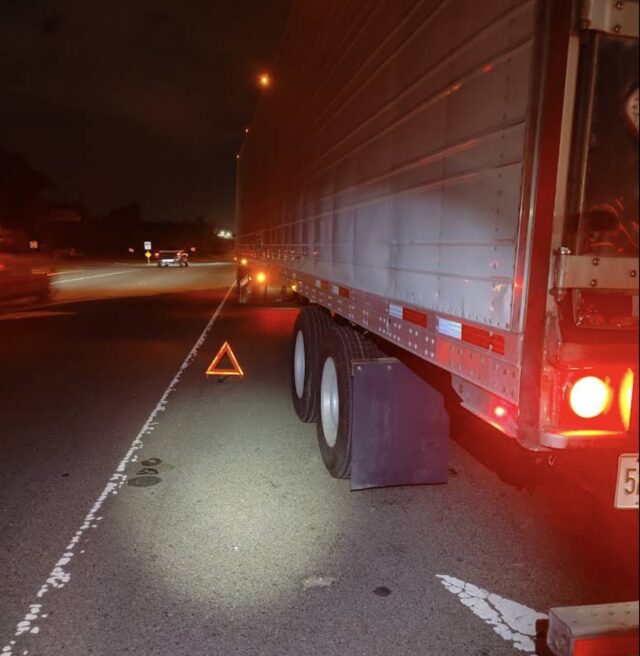
A breakdown on the highway is every driver’s worst moment. You’re stuck on the shoulder, the clock is running, and your load is at risk. Truck roadside assistance gets a technician to your location to fix the problem or get you to a shop, without you having to wrestle a repair alone in traffic.
Truck roadside assistance typically costs $75 to $350 for a service call, plus parts and labor, with heavy-duty towing running $8 to $15 per mile when needed. Knowing what roadside assistance covers, what it costs, and how to get help fast can turn a disaster into a manageable delay. This guide walks you through all of it.
What Truck Roadside Assistance Covers
Truck roadside assistance handles the most common breakdowns that leave a truck stranded. Here’s what a typical service call can address on-site:
Tire service. Flat tires, blowouts, and tire repairs are the most common roadside calls. A mobile technician can change or repair a tire right on the shoulder, getting you rolling without a tow.
For tire-specific roadside help, see our roadside tire service guide.
Jump starts and battery service. Dead batteries strand more trucks than almost any other issue, especially in cold weather. Roadside assistance can jump start the truck or replace a failed battery on-site.
Fuel delivery. Running out of diesel happens. Roadside assistance can bring enough fuel to get you to the nearest station.
Air system and brake help. Air leaks, stuck brakes, and low air pressure keep a truck from moving. A roadside technician can find leaks, replace brake chambers, and get the air system working.
Lockout service. Locked out of the cab? Roadside assistance can get you back in without damaging the door or window.
Minor mechanical repairs. Belts, hoses, sensors, and other quick fixes can often be handled on the shoulder, avoiding a tow entirely.
Towing and recovery. When a repair can’t be done on-site, roadside assistance arranges heavy-duty towing to a shop. Recovery service handles trucks that have slid off the road or jackknifed.
What Truck Roadside Assistance Costs
Pricing depends on the type of service, time of day, and your location. Here’s what to expect in 2025 to 2026:
| Service | Typical Cost |
|---|---|
| Service call fee (daytime, metro) | $75 to $200 |
| Service call fee (nights/weekends) | $150 to $350 |
| Tire change or repair (plus tire cost) | $125 to $650 |
| Jump start | $75 to $200 |
| Battery replacement (plus battery) | $150 to $400 |
| Fuel delivery (plus fuel cost) | $75 to $200 + fuel |
| Air leak or brake repair | $90 to $500 |
| Lockout service | $75 to $200 |
| Heavy-duty towing (per mile) | $8 to $15 |
| Hookup / base towing fee | $150 to $500 |
| Winch-out / recovery | $250 to $1,500+ |
* After-hours adds 40 to 80% to the service call fee. Remote locations add $2 to $5 per mile beyond base range.
After-hours premium: Nights, weekends, and holidays typically add 40 to 80% to the service call fee. Remote locations add a mileage charge of $2 to $5 per mile beyond the provider’s base range.
Pay-Per-Call vs. Roadside Assistance Programs
There are two ways to pay for truck roadside assistance. Each fits different operations.
| Factor | Pay-Per-Call | Membership Program |
|---|---|---|
| How you pay | Per incident, at time of service | Monthly or annual fee |
| Cost control | Negotiate each time | Fixed rates set by program |
| Response | You choose the provider | Dispatched by the program |
| Provider quality | You pick who comes | Assigned, quality varies |
| Best for | Owner-operators, occasional breakdowns | Fleets, high-mileage operations |
| Predictability | Variable cost | Predictable budget |
The bottom line: A membership program makes sense for fleets and drivers who are on the road constantly and want predictable costs. For owner-operators and regional drivers, having a trusted local provider on speed dial often delivers faster service and better repair quality than a national dispatch program.
What to Do When Your Truck Breaks Down
Follow this process to stay safe and get help fast:
- 1 Get off the road safely. Move to the shoulder, exit ramp, or rest area. Never stop in a travel lane.
- 2 Turn on hazard lights immediately. Make your truck visible the moment you stop.
- 3 Set up reflective triangles. Place at 10, 100, and 200 feet behind the truck (DOT requirement).
- 4 Assess the problem. Identify what happened: flat, no start, air loss, overheating. More detail = faster help.
- 5 Call your provider. Give exact location, truck year/make/model, and a clear description of the problem.
- 6 Ask for an ETA and price estimate. Get the service call fee and estimated cost before authorizing work.
- 7 Stay safe while you wait. Stay in the cab in heavy traffic. If you exit, stay on the side away from traffic.
- 8 Document everything. Photograph the breakdown, repair, and invoice for insurance and fleet records.
How to Choose a Truck Roadside Assistance Provider
Use this checklist before you need help, not during an emergency:
- 24/7 availability. Must answer at 2 AM on a Sunday. Breakdowns don’t follow business hours.
- Fast response time. Under 60 to 90 minutes in metro areas is the benchmark.
- Wide service capability. Tires, jump starts, air systems, minor repairs, and towing means fewer separate calls.
- Transparent pricing. Service call fee and hourly rate upfront. Vague answers are a warning sign.
- Local knowledge. A provider familiar with your area arrives faster and knows the best shops.
- Good reviews. Check ratings from other truckers. Response time and fair pricing matter most.
- Proper equipment. Torque wrench and gauge for tires. Heavy-duty equipment rated for your truck for towing.
FAQ
How much does truck roadside assistance cost? A service call fee runs $75 to $350 depending on time of day and location, plus parts and labor. Heavy-duty towing adds $8 to $15 per mile plus a hookup fee. After-hours calls add 40 to 80% to the service fee.
What does truck roadside assistance include? Tire service, jump starts, battery replacement, fuel delivery, air system and brake help, lockout service, minor mechanical repairs, and towing or recovery when a repair can’t be done on-site.
How fast does roadside assistance arrive? In metro areas, expect 30 to 90 minutes. Rural locations take longer. Always ask for a specific ETA when you call. Response time depends on provider availability and your distance from them.
Is a roadside assistance membership worth it? For fleets and high-mileage drivers, a membership provides predictable costs and nationwide coverage. For owner-operators and regional drivers, a trusted local provider on speed dial often delivers faster, higher-quality service.
What information do I need when I call for roadside assistance? Your exact location (mile marker or GPS coordinates), truck year, make, model, engine type, a clear description of the problem, and your callback number. Fault codes help if you have them.
Can roadside assistance fix my truck on the highway? Yes, for many issues: tires, batteries, air leaks, belts, hoses, sensors, and fuel delivery. Major engine, transmission, or structural problems require towing to a shop.
Should I carry an emergency kit in my truck? Yes. Reflective triangles, jumper cables, a flashlight, basic tools, a tire gauge, extra coolant, and a fire extinguisher are essentials. A good kit lets you handle small issues yourself and stay safe while waiting for help.
Reflective triangle placement is required by 49 CFR Part 393 Subpart H.
Truck roadside assistance gets you help fast when you’re stranded, whether that means a tire change on the shoulder or a tow to the nearest shop. Expect a $75 to $350 service call fee plus parts, labor, or towing costs. The smartest move is choosing a reliable provider before you need one, so help is one phone call away.
G Smart Service LLC provides truck roadside assistance in Monroe, Charlotte, and the surrounding NC area. Tires, jump starts, air systems, minor repairs, and 24/7 response. Save our number: (980) 318-0425 or visit gsmartservice.com.
G Smart Service LLC | Truck & Trailer Repair Shop | 3501 N Rocky River Rd, Monroe, NC 28110